
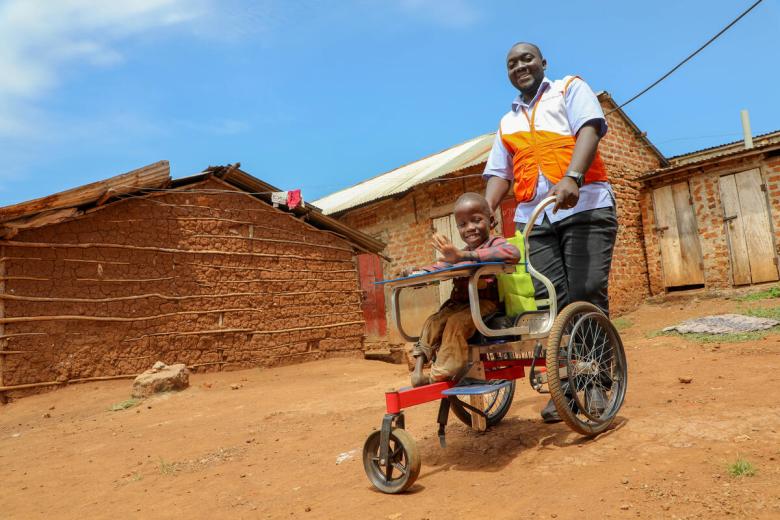
Africa, with its rich tapestry of cultures and landscapes, is home to millions of children, each with unique dreams and aspirations. Among these children are those with disabilities, who, despite their challenges, possess
immense potential waiting to be unlocked. Ensuring a brighter future for disabled children in Africa requires concerted efforts, compassion, and a commitment to inclusivity.
**Challenges Faced by Disabled Children:**
Disabled children in Africa often encounter significant barriers to education, healthcare, and social integration. Limited accessibility, societal stigma, and inadequate resources pose hurdles that hinder their growth and development. Addressing these challenges demands a multifaceted approach that focuses on education, healthcare, and community support.
**Education as a Catalyst for Change:**
Education stands as the cornerstone of empowering disabled children. In many African countries, organizations and initiatives are working tirelessly to provide inclusive educational opportunities. Specialized schools and tailored curricula cater to diverse disabilities, ensuring that each child receives an education suited to their needs. Additionally, assistive technologies and accessible classrooms enhance the learning experience, promoting active participation and engagement.
**Healthcare and Rehabilitation:**
Access to quality healthcare and rehabilitation services is essential for the holistic development of disabled children. Medical interventions, physical therapy, speech therapy, and counseling contribute significantly to improving their quality of life. NGOs and healthcare providers collaborate to offer free or subsidized medical services, reaching children in both urban centers and remote villages.
**Community Empowerment and Awareness:**
Creating an inclusive society begins with community empowerment and awareness. Initiatives that foster understanding and acceptance are crucial. Awareness campaigns, workshops, and sensitization programs educate communities about disabilities, dispelling myths and misconceptions. When people are informed, they are more likely to embrace inclusivity, providing emotional and social support to disabled children and their families.
**The Role of Technology:**
Technology has the power to bridge gaps and provide innovative solutions. Mobile applications and online platforms offer educational resources, therapy exercises, and communication tools tailored for children with disabilities. These technological advancements expand access to education and support, even in remote regions, ensuring that no child is left behind.
**Collaborative Partnerships:**
Collaboration among governments, NGOs, private sectors, and local communities is vital. By working together, these entities can pool resources, share expertise, and create sustainable programs that uplift disabled children. Partnerships foster innovation and create a collective impact, enabling more children to access essential services and support networks.
**Celebrating Achievements and Building Futures:**
Every milestone achieved by a disabled child is a triumph worth celebrating. It symbolizes resilience, determination, and the unwavering spirit of these children. By nurturing their talents and providing opportunities, we are not just helping them overcome challenges; we are shaping future leaders, artists, scientists, and advocates who can contribute meaningfully to society.
In conclusion, helping disabled children in Africa requires a holistic and collaborative approach that addresses their unique needs. By investing in education, healthcare, community empowerment, and technology, we can create a more inclusive and compassionate society. Together, let us empower every disabled child, ensuring they have the tools and opportunities to thrive, dream, and achieve greatness.