
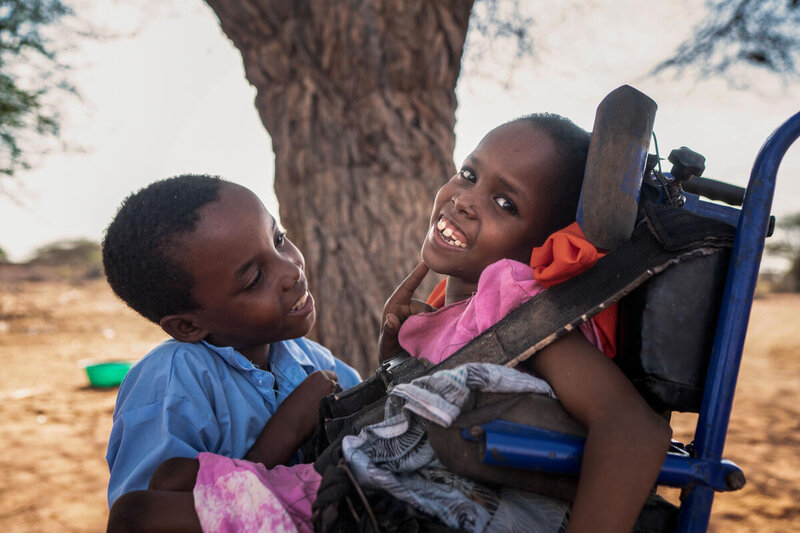
Childhood disability is a global challenge, but in Africa, the plight of disabled children is exacerbated by the intersection of poverty and discrimination. While progress has been made in recent years, significant
disparities persist, leaving many children with disabilities marginalized and underserved. This article explores the complex dynamics surrounding childhood disability in Africa, shedding light on the impact of poverty and discrimination on the well-being and opportunities of disabled children.
The Dual Challenge of Poverty:
Poverty remains a pervasive issue in many African countries, with a considerable number of families struggling to meet basic needs. For children with disabilities, the challenges are magnified as they often face additional economic burdens. Limited access to healthcare, education, and rehabilitation services further compounds their difficulties. Families grappling with poverty may find it challenging to afford specialized medical care or assistive devices crucial for the well-being of their disabled children.
Educational Barriers:
Access to quality education is a fundamental right for all children, yet disabled children in Africa often encounter significant barriers. Discriminatory attitudes, lack of inclusive policies, and inadequate infrastructure contribute to the exclusion of many disabled children from mainstream educational opportunities. Limited resources mean that schools may lack the necessary facilities and trained personnel to accommodate diverse learning needs, perpetuating a cycle of educational inequality.
Social Stigma and Discrimination:
Societal attitudes towards disability in Africa can be deeply entrenched in superstitions and misconceptions. Disabled children are sometimes viewed as a burden or a result of curses, contributing to their social exclusion. Discrimination may extend to denial of healthcare, as some families may be hesitant to seek medical attention for fear of social judgment. Tackling these deeply ingrained beliefs is essential for fostering an inclusive environment that values and supports disabled children.
Limited Healthcare Access:
Inadequate healthcare infrastructure and services further compound the challenges faced by disabled children in Africa. Many families lack access to specialized medical care, rehabilitation services, and assistive devices, hindering the optimal development and well-being of disabled children. The high prevalence of preventable disabilities due to lack of vaccinations and prenatal care adds another layer to the complex web of challenges.
Empowering Disabled Children:
Efforts to address childhood disability in Africa require a multi-faceted approach that addresses both poverty and discrimination. Governments, non-governmental organizations (NGOs), and international partners can collaborate to implement inclusive policies and programs that prioritize the needs of disabled children. This includes investing in accessible healthcare, inclusive education, and community-based rehabilitation services.
Raising awareness and challenging societal perceptions about disability is crucial to dismantling stereotypes and fostering acceptance. Educational campaigns can help dispel myths surrounding disability and promote a more inclusive society that recognizes the potential and rights of every child, regardless of their abilities.
Conclusion:
Childhood disability in Africa is a complex issue shaped by the interplay of poverty and discrimination. Addressing these challenges requires a comprehensive and collaborative effort from governments, NGOs, and the international community. By investing in accessible healthcare, inclusive education, and community support services, it is possible to create an environment where disabled children can thrive and contribute meaningfully to society. Breaking the cycle of poverty and discrimination is not only a matter of human rights but also a crucial step towards building a more equitable and inclusive future for all.